
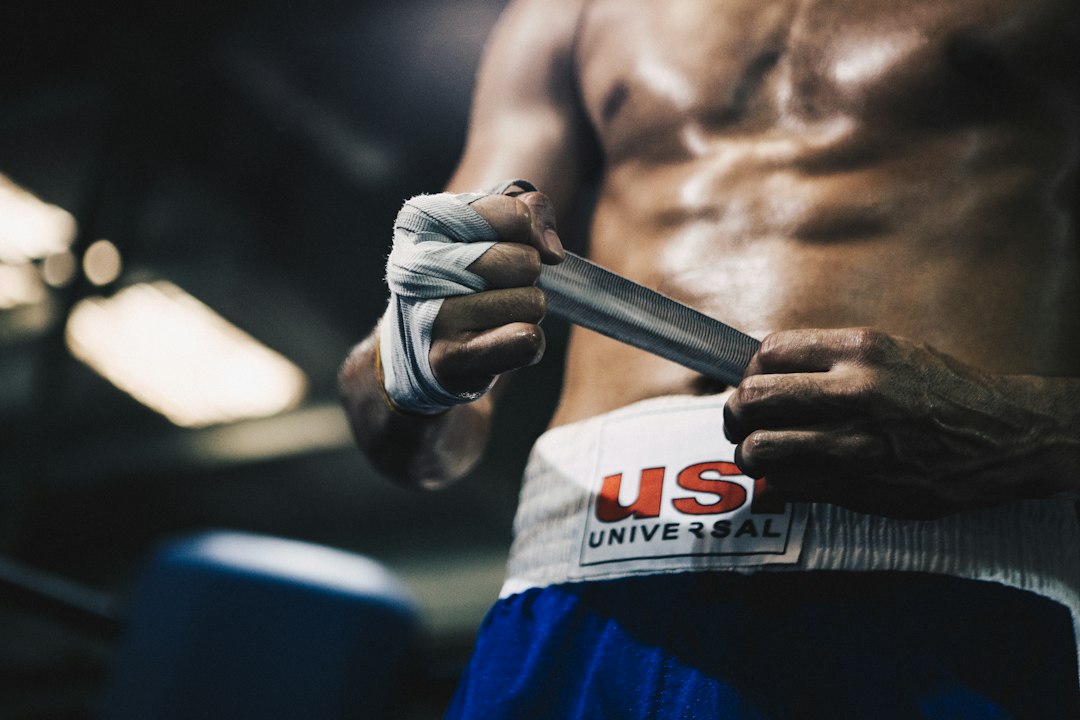
Boxing requires physical strength, endurance, coordination, and consistent training to perform successfully inside the ring. However, injuries and recovery periods can significantly influence a fighter’s preparation and competitive abilities. Understanding ทีเด็ดมวย.com involves considering how physical setbacks, medical treatment, rehabilitation, and fitness management affect an athlete’s readiness for an upcoming contest. Even highly experienced fighters can experience performance challenges when injuries interrupt their training routines.
Why Are Injuries Common in Boxing?
Boxing involves repeated physical contact, powerful punches, defensive movements, and demanding training sessions. These activities can place considerable stress on different parts of the body.
Common boxing injuries include hand and wrist problems, shoulder strains, muscle injuries, facial cuts, and bruising. Head injuries are particularly serious and require appropriate medical assessment and attention.
Some injuries develop suddenly during competition, while others occur gradually because of repetitive movements or excessive training. Proper technique, protective equipment, and suitable training schedules can help reduce certain injury risks.
How Can Injuries Affect Boxing Performance?
An injury can influence several important aspects of a fighter’s performance. Hand or wrist problems may reduce punching power and accuracy, while shoulder injuries can make defensive movements and combinations more difficult.
Muscle injuries may affect footwork, balance, and mobility. Reduced movement can create additional challenges when facing opponents who rely on speed and aggressive attacks.
Injuries can also affect confidence and concentration. A fighter who is worried about aggravating an existing problem may hesitate during exchanges or avoid certain movements.
These limitations can influence training quality and competitive readiness.
Why Is Recovery Important for Boxers?
Recovery allows the body to repair damaged tissues and gradually regain physical abilities. Depending on the injury, recovery may involve medical evaluation, physiotherapy, controlled exercise, and sufficient rest.
Sleep and proper nutrition also support the body’s recovery process. Balanced meals provide nutrients needed for muscle repair, while adequate hydration helps maintain normal physical function.
Returning to intense training too quickly can increase the risk of further injury. Medical professionals should guide recovery decisions, particularly after head injuries or significant physical trauma.
How Can Recovery Influence Upcoming Fight Performance?
A properly recovered fighter may return with improved physical readiness and greater confidence. However, the length of recovery and the severity of the injury can influence how quickly normal performance returns.
Pre-fight evaluation should consider recent inactivity, training consistency, medical clearance, and the athlete’s ability to perform regular boxing movements.
A fighter who has experienced an injury may need additional time to rebuild endurance, timing, and coordination before competing again.
Conclusion
Injuries and recovery are important considerations in boxing because they directly affect preparation and physical performance. Medical attention, rehabilitation, proper nutrition, and sufficient rest help fighters manage physical setbacks. Understanding these factors provides a clearer perspective when evaluating upcoming matchups and recognizing why an athlete’s health and readiness are essential elements of competitive boxing.
Key Points
- Boxing injuries, including hand and wrist problems, shoulder strains, and head injuries, can significantly hinder a fighter’s training and performance.
- Common injuries in boxing can occur suddenly during competitions or gradually due to repetitive movements and excessive training.
- Recovery is crucial for boxers as it allows for tissue repair and the regaining of physical abilities through medical evaluation, physiotherapy, and proper nutrition.
- A fighter’s performance can be affected by physical limitations caused by injuries, which may reduce punching power, defensive capabilities, and overall mobility.
- Returning to training too quickly after an injury can increase the risk of further complications and affect a fighter’s confidence and focus.
- A fighter’s readiness for a match may be influenced by the severity of the injury and the time taken for recovery, impacting endurance and coordination.
