
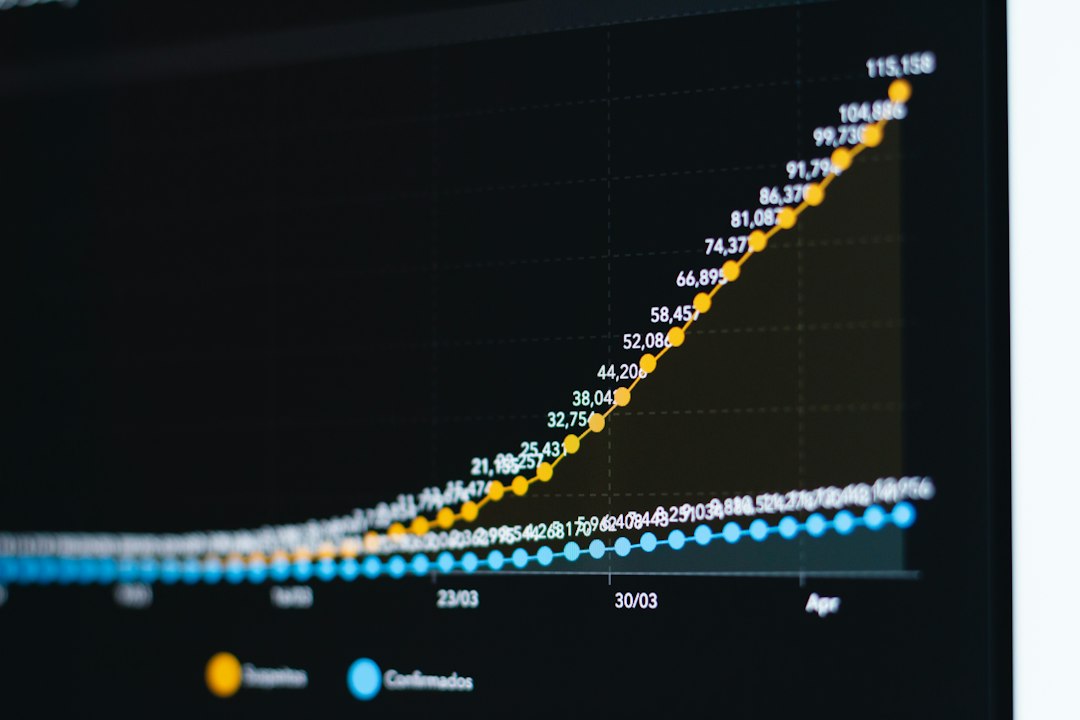
Historical information provides valuable insight into how football teams perform under different circumstances. Previous results, scoring records, defensive statistics, and head-to-head meetings can help explain patterns that may influence upcoming games. ทีเด็ดฟุตบอล.net become more structured when historical data is used alongside current team news and recent performances. Although past results cannot guarantee future outcomes, they offer useful evidence for understanding team strengths, identifying weaknesses, and evaluating possible match scenarios.
Why Is Historical Data Important?
Historical data helps analysts understand how teams have performed over extended periods. Reviewing previous seasons can reveal patterns in winning percentages, goals scored, goals conceded, and overall consistency. These details make it easier to compare teams beyond their current league positions.
Long-term records can also show whether a team regularly performs well against certain playing styles. However, older information should be considered carefully because squads, managers, and tactical systems change over time.
How Can Previous Results Help Analysis?
Previous match results provide a starting point for evaluating performance. A team with consistent victories may demonstrate strong organization and confidence, while repeated defeats could indicate weaknesses that require attention.
It is useful to examine how those results happened rather than focusing only on final scores. A narrow defeat against a strong opponent may reveal better performance than a fortunate victory against a weaker side. Match context makes historical comparisons more meaningful.
What Can Head-to-Head Records Reveal?
Head-to-head statistics show how two teams have performed against each other in previous meetings. These records may highlight recurring patterns involving goals, draws, home advantages, or difficult matchups.
Some teams may struggle against opponents that use particular formations or pressing strategies. Nevertheless, historical meetings should not be treated as a reliable forecast by themselves. Changes in players and coaching approaches can make upcoming encounters very different.
How Do Goal Statistics Support Match Analysis?
Goals scored and conceded are useful measures of attacking and defensive performance. Analysts can review average goals per match, clean sheets, scoring frequency, and the number of games in which teams failed to score.
These statistics help identify whether a team relies on attacking strength or defensive stability. Comparing home and away figures can provide additional information because performances often vary depending on the venue.
How Should Historical Data Be Used Responsibly?
Historical statistics are most useful when combined with current information. Injuries, suspensions, player form, fixture congestion, and tactical changes can all influence a team’s performance.
Beginners should avoid relying on a single statistic or assuming that previous results will repeat. Comparing several relevant indicators creates a more balanced understanding of each matchup.
Ultimately, historical data offers context rather than certainty. A careful approach recognizes changing circumstances and accepts that unexpected events remain part of football. This makes match analysis more logical, informed, and realistic.
Key Points
- Historical data aids in understanding football team performance by revealing patterns through previous results and statistics.
- Analyzing past performance can highlight team strengths, weaknesses, and possible match scenarios but should not guarantee future results.
- Head-to-head records can indicate recurring patterns between teams but must be interpreted cautiously due to potential changes in team dynamics.
- Goals scored and conceded are critical metrics for assessing a team’s attacking and defensive capabilities.
- Current factors such as player injuries and tactical changes should be integrated with historical data for a comprehensive match analysis.
- Relying solely on one statistic can lead to skewed interpretations; multiple indicators should be evaluated for a balanced perspective.
