
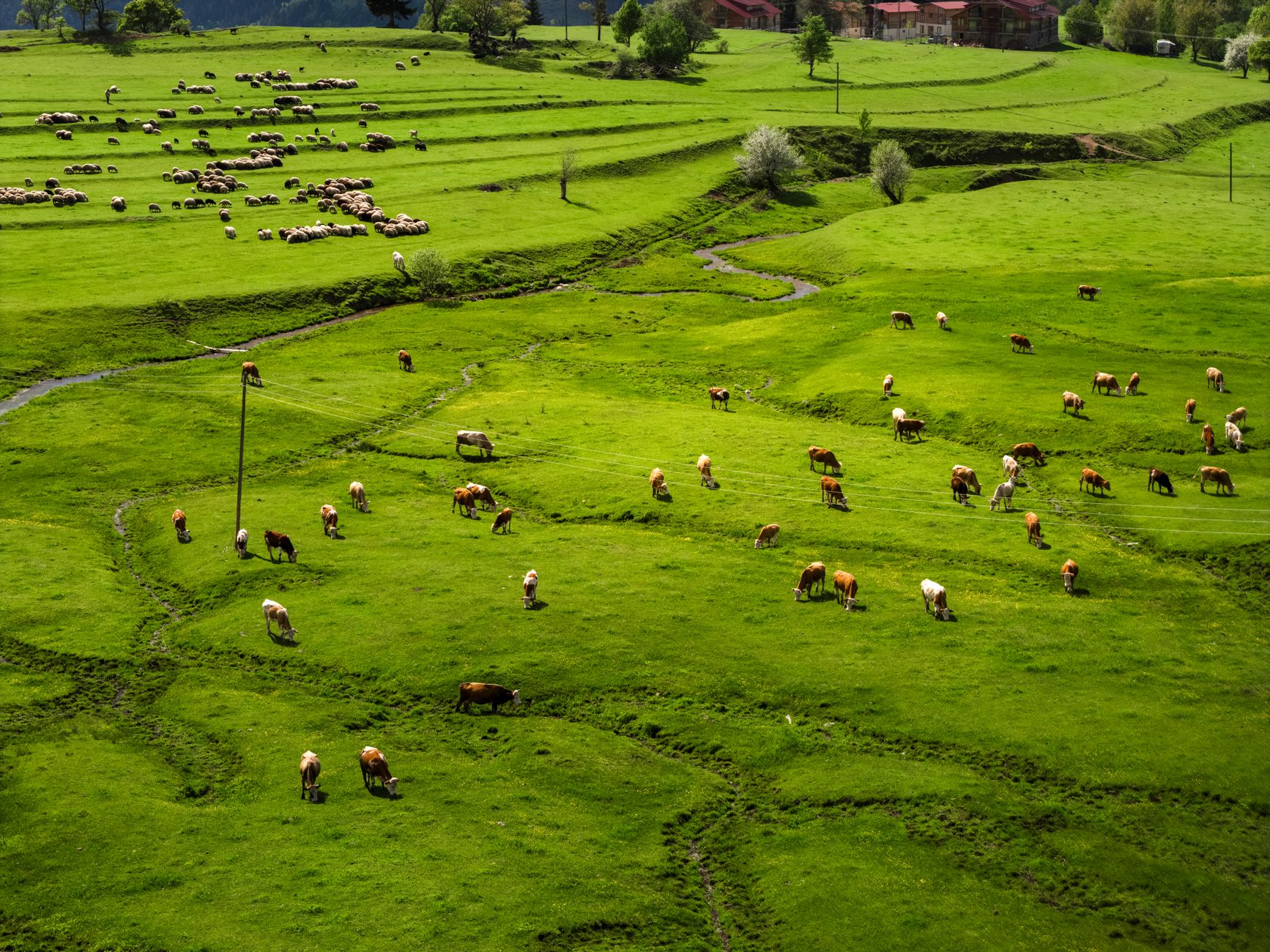
Cattle farming contributes to rural economies by supporting household income, agricultural activities, and local trade. Livestock ownership can provide financial security for farming families while creating opportunities for employment and community cooperation. In southern Thailand, วัวชนแดนใต้.net traditions form part of a wider agricultural environment where cattle may hold economic, cultural, and social importance. Understanding this role helps explain how livestock farming contributes to rural livelihoods.
How Does Cattle Farming Support Household Income?
Cattle can represent valuable assets for families involved in agriculture. Depending on local conditions, farmers may generate income through responsible livestock breeding, animal sales, and related agricultural activities. Livestock ownership can also provide financial support during periods when other sources of income become uncertain.
For many rural households, cattle farming is combined with crop cultivation or other occupations. This approach allows families to diversify their activities and make practical use of available land and resources.
What Employment Opportunities Does Livestock Farming Create?
Cattle farming supports different types of work within rural communities. Daily activities include feeding, cleaning shelters, monitoring animal health, and maintaining grazing areas. Transportation, veterinary services, feed preparation, and livestock trading can also provide employment opportunities.
These activities encourage cooperation between farmers and local service providers. People with experience in animal care, agricultural supplies, and livestock management contribute to the wider rural economy.
How Does Cattle Farming Support Other Agricultural Activities?
Livestock and crop farming can complement one another. Cattle manure may be used as organic fertilizer, helping improve soil quality when properly managed. Agricultural by-products can sometimes provide suitable animal feed, reducing waste and making better use of available resources.
Integrated farming allows households to connect different agricultural activities. However, farmers must manage feed supplies, land use, and animal waste carefully to maintain productive and environmentally responsible operations.
Why Do Traditional Cattle Events Have Economic Significance?
In some communities, traditional cattle gatherings can attract visitors and encourage local spending. Food vendors, transportation providers, and small businesses may benefit from organized community occasions. These events can also create opportunities for livestock owners to exchange knowledge and develop social connections.
Economic activities should always respect animal welfare. Cattle attending gatherings need suitable transportation, clean water, adequate shelter, and veterinary attention. Activities that cause unnecessary fear, injury, or exhaustion should be avoided.
How Can Responsible Management Strengthen Economic Benefits?
Good cattle management requires balanced nutrition, preventive healthcare, suitable housing, and careful financial planning. Farmers who maintain health records and monitor expenses can make better decisions about livestock ownership.
Education and access to veterinary guidance also help reduce preventable losses. Combining traditional experience with improved agricultural practices can strengthen rural livelihoods.
Ultimately, cattle farming contributes more than livestock products or direct income. It supports employment, agricultural cooperation, and cultural connections. Responsible management helps communities maintain these economic benefits while protecting animal health and preserving valuable rural traditions.
Key Points
- Cattle farming supports rural economies by providing financial security, employment opportunities, and enhancing agricultural activities.
- In southern Thailand, cattle have significant economic, cultural, and social importance, contributing to community cooperation and local trade.
- Livestock ownership can provide income during uncertain times and allows families to diversify their income through combined agriculture practices.
- Cattle farming encompasses various jobs, including feeding, animal health oversight, and logistics, which foster cooperation among local service providers.
- Traditional cattle events can stimulate local economies by attracting visitors and creating opportunities for vendors and livestock owners to interact.
- Responsible cattle management, which includes proper nutrition and healthcare, strengthens economic benefits while ensuring animal welfare.
