
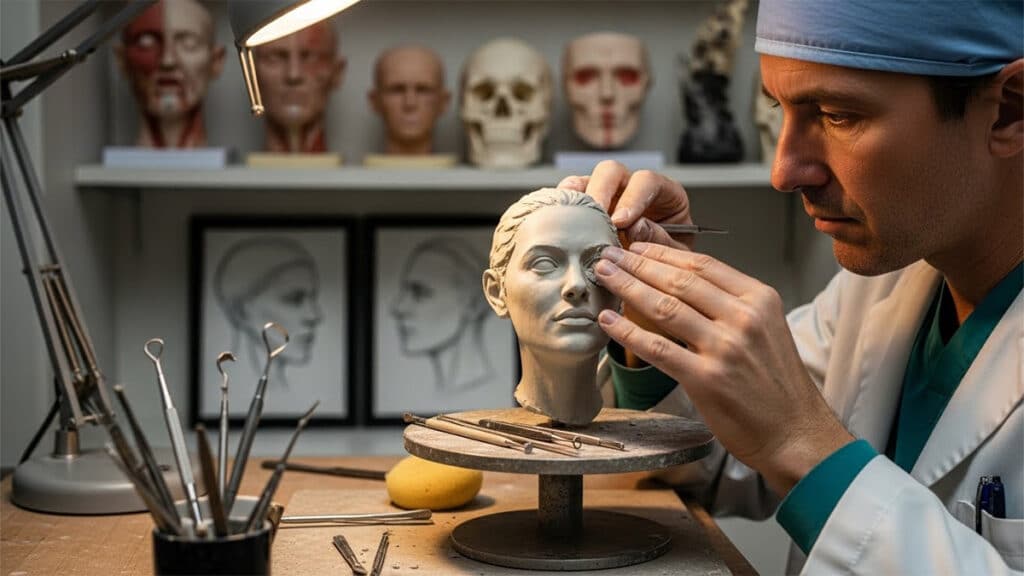
Choosing the right surgeon is an important step for anyone considering an aesthetic or reconstructive procedure. Patients today commonly compare qualifications, areas of expertise, consultation quality, treatment choices, and the overall standard of care before making a decision. Working with an experienced plastic surgeon Sydney patients can consult for personalised guidance can make the process more informed and structured. A professional approach begins with understanding individual goals rather than focusing on a one-size-fits-all outcome.
In This Article
- What should patients look for in a plastic surgeon?
- Why is the consultation an important part of the process?
- Which areas of plastic surgery can patients explore?
- How does personalised planning influence treatment?
- What makes experience valuable in plastic surgery?
- How important is communication after surgery?
- What should patients expect from a professional approach?
- Conclusion
What should patients look for in a plastic surgeon?
Professional qualifications and specialist training are among the most important factors to consider. Patients can also look at surgical experience, areas of practice, communication style, and the level of attention provided during consultations. A surgeon who takes time to understand expectations can help patients develop realistic and personalised treatment plans.
Experience across different areas of plastic surgery can also be valuable. Facial procedures, breast surgery, body contouring, and skin procedures require different approaches, so understanding a surgeon’s particular expertise can help patients select an appropriate treatment pathway.
Why is the consultation an important part of the process?
A consultation provides an opportunity to discuss goals, medical background, lifestyle considerations, treatment choices, recovery expectations, and individual suitability. It is also a valuable opportunity for patients to ask detailed questions and understand what a proposed procedure involves.
A thorough consultation should feel informative rather than rushed. Patients benefit when their concerns are heard and their options are explained clearly. This can create greater confidence when deciding whether to proceed.
Which areas of plastic surgery can patients explore?
Modern plastic surgery covers a broad range of treatments. Facial procedures may include rhinoplasty, facelift, neck lift, eyelid surgery, brow lift, and other specialised treatments. These procedures can address different aspects of facial structure and appearance.
Body procedures may include abdominoplasty, liposuction, body lift, arm lift, and thigh lift. Breast procedures can include augmentation, breast reduction, and breast lift. Skin-related procedures may also be considered when appropriate.
Because every patient’s anatomy and objectives differ, treatment selection should be personalised following professional assessment.
How does personalised planning influence treatment?
Individualised planning allows the surgeon to consider the patient’s proportions, anatomy, expectations, lifestyle, and desired outcome. Rather than applying the same approach to every patient, a personalised plan can focus on achieving balanced and appropriate results.
This approach can also help patients understand why one procedure may be more suitable than another. In some situations, a less extensive treatment may meet the patient’s objectives, while other circumstances may require a more comprehensive surgical approach.
What makes experience valuable in plastic surgery?
Experience can contribute to refined surgical decision-making, careful planning, and a deeper understanding of different patient needs. Plastic surgery combines medical knowledge with precision and attention to detail, making professional experience an important consideration.
Patients may also feel more comfortable when they know their surgeon has worked with a broad range of surgical cases and understands the importance of individualised care.
How important is communication after surgery?
Postoperative support is an important part of the overall patient journey. Clear guidance can help patients understand their recovery process, follow recommended instructions, and recognise the normal stages of healing.
Regular communication can also provide reassurance as recovery progresses. A supportive clinical team can make patients feel informed and comfortable throughout their experience.
What should patients expect from a professional approach?
A professional approach combines clinical expertise, personalised communication, careful planning, and patient-focused care. Patients should feel encouraged to make informed decisions based on their own goals and circumstances.
The best treatment journey is not simply about choosing a procedure. It is about understanding the available options and selecting an approach that aligns with individual needs.
Conclusion
Plastic surgery is a highly personal decision, and selecting the right specialist can help create a more structured and informed experience. Qualifications, experience, personalised planning, consultation quality, treatment options, and ongoing support all contribute to patient confidence. By taking time to understand these factors, patients can approach their surgical journey with greater clarity and realistic expectations.
Key Points
- Patients should consider a surgeon’s professional qualifications and specialist training when selecting a plastic surgeon.
- A thorough consultation is essential for discussing goals, medical background, and treatment choices, allowing for a more personalized treatment plan.
- Modern plastic surgery encompasses a variety of procedures including facial, body, breast, and skin-related treatments, each requiring different surgical approaches.
- Individualized planning in aesthetic surgery considers a patient’s anatomy, expectations, and desired outcomes, leading to more suitable treatment options.
- Experience in plastic surgery enhances a surgeon’s decision-making, planning, and understanding of patient needs, contributing to overall patient confidence.
- Postoperative support is crucial for patient recovery, as clear communication helps patients navigate the healing process effectively.
