
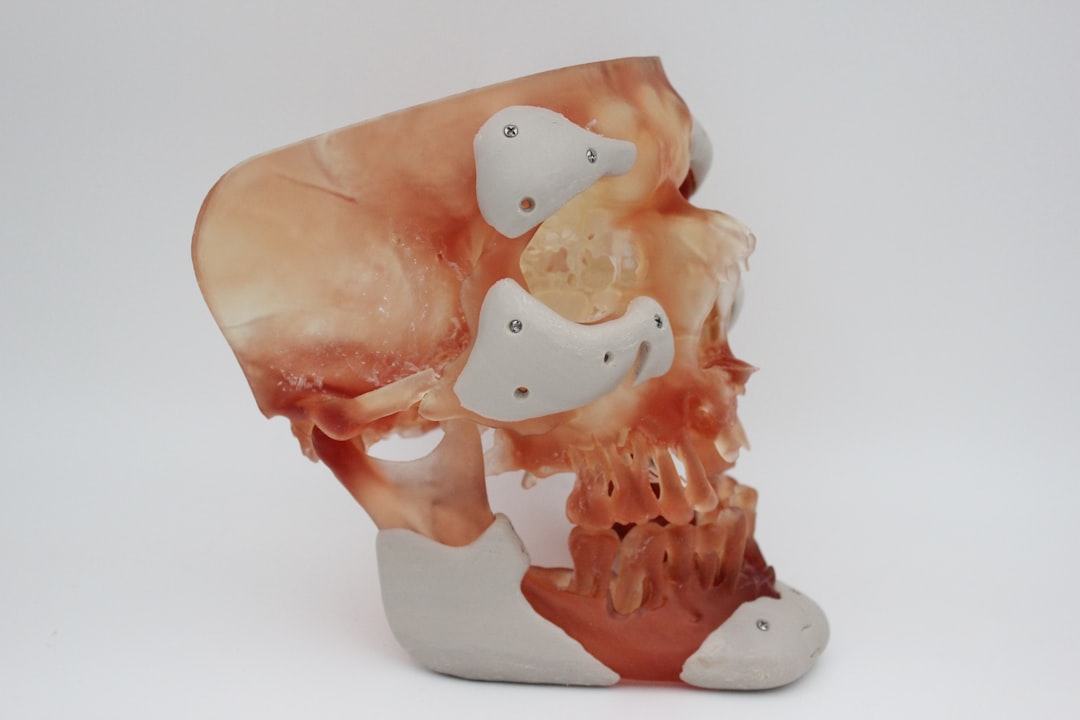
How is precision transforming the future of modern healthcare delivery?
Precision in healthcare has become a defining factor in improving diagnostic accuracy and treatment success. With advancements in imaging technologies and minimally invasive procedures, physicians are now able to treat complex conditions with greater control and fewer risks. This shift has significantly reduced patient recovery times while enhancing clinical outcomes across multiple specialties. Within this evolving environment, Dr Wade Banker represents a leading figure whose work reflects the growing importance of accuracy-driven, image-guided medical care. His approach emphasizes structured decision-making, real-time imaging guidance, and patient-focused treatment strategies that collectively advance healthcare precision.
What does healthcare precision mean in diagnostic and interventional radiology?
Healthcare precision in radiology refers to the ability to accurately identify, target, and treat medical conditions using advanced imaging systems. This includes CT-guided interventions, ultrasound-based procedures, and MRI-assisted diagnostics that allow physicians to visualize internal structures with exceptional clarity. The goal is to minimize uncertainty while maximizing therapeutic effectiveness. By combining imaging technology with clinical expertise, specialists can perform procedures that are both highly targeted and minimally invasive. This precision-driven model has become a cornerstone of modern medicine, especially in managing complex vascular and oncological cases.
How do experienced radiologists contribute to improving precision-based care?
Experienced radiologists play a critical role in enhancing the accuracy and safety of medical procedures. Their deep understanding of imaging interpretation, anatomy, and procedural planning allows them to make informed decisions in real time. This expertise is particularly valuable in high-risk interventions where precision is essential for success. In this context, Dr Wade Banker Toledo, Oh has demonstrated a strong commitment to advancing radiology practices through leadership, innovation, and clinical excellence. His contributions include developing structured care pathways, guiding multidisciplinary teams, and refining advanced interventional techniques that support improved patient outcomes.
What role does technology play in enhancing precision in healthcare?
Technology is one of the most important drivers of precision in modern healthcare. Advanced imaging systems, digital navigation tools, and real-time monitoring devices allow physicians to perform procedures with exceptional accuracy. These tools help reduce procedural risks and ensure that treatments are delivered exactly where they are needed. As technology continues to evolve, it enables more refined and less invasive treatment approaches. This progress not only benefits patients but also supports physicians in delivering safer and more efficient care across a wide range of medical conditions.
How does leadership influence advancements in precision-based medical programs?
Leadership is essential in establishing and maintaining high standards of precision in healthcare systems. Strong leaders foster collaboration among specialists, encourage continuous education, and promote the adoption of innovative technologies. They also ensure that clinical protocols are designed to prioritize patient safety and treatment effectiveness. Through structured program development and mentorship, leaders help shape the next generation of physicians who are skilled in precision-based care. This creates a sustainable environment where medical innovation can thrive while maintaining consistent quality in patient outcomes.
Why is patient-centered care important in precision-driven medicine?
Patient-centered care ensures that medical precision is aligned with individual needs, preferences, and conditions. It focuses on delivering treatments that are not only accurate but also tailored to each patient’s unique situation. This approach improves satisfaction, trust, and long-term health outcomes. In precision-driven medicine, patient-centered strategies help physicians balance technological capabilities with compassionate care, ensuring that every procedure is both clinically effective and personally considerate.
Conclusion
Healthcare precision continues to redefine the standards of modern medical practice by combining advanced technology with expert clinical judgment. The growing emphasis on minimally invasive and image-guided procedures highlights the importance of accuracy in every stage of patient care. The contributions of Dr Wade Banker reflect a strong commitment to advancing this field through innovation, leadership, and a dedication to improving outcomes, reinforcing the future of precision-based healthcare.
