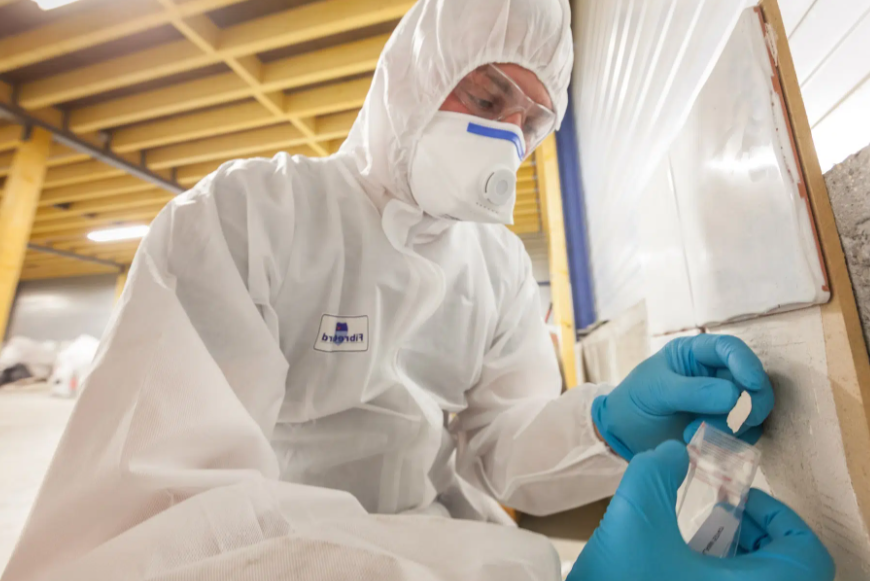
Rats are more than just a nuisance; they pose serious health risks to homes, businesses, and public spaces. Their ability to multiply rapidly and contaminate food, surfaces, and water sources makes them a significant threat to hygiene. Effective Rat control (除鼠) is essential not only for protecting property but also for maintaining a clean and safe environment. Comprehensive strategies that combine prevention, monitoring, and elimination can restore hygiene and minimize the risk of rodent-borne diseases.
Understanding the Threat of Rats
Rats are carriers of several harmful pathogens that can lead to diseases such as leptospirosis, salmonella, and hantavirus. Their droppings, urine, and gnawing can contaminate surfaces, food supplies, and water systems. In addition, rats can cause structural damage by chewing through wires, insulation, and wooden frameworks, potentially leading to fire hazards and costly repairs. Recognizing the severity of a rat infestation is the first step toward restoring hygiene and preventing long-term problems.
Identifying Signs of Infestation
Early detection is critical for effective rat control. Signs of infestation include droppings in corners, gnaw marks on furniture or packaging, greasy smudge marks along walls, and unusual scratching sounds, especially at night. Rat nests are often hidden in dark, secluded areas, such as behind appliances, inside attics, or within wall cavities. Identifying these signs allows for timely intervention, reducing the spread of disease and limiting property damage.
Preventive Measures for Hygiene Maintenance
Preventing rats from entering homes or workplaces is a key component of maintaining hygiene. Sealing entry points, including gaps around doors, windows, vents, and pipes, helps block access. Proper waste management, such as securing garbage in sealed bins and regularly disposing of food scraps, reduces attractants. Storing food in rodent-proof containers and keeping areas clean and dry further discourages rats from settling. These preventive measures create an environment that is less hospitable to rodents, promoting overall cleanliness and health.
Professional Rodent Removal Techniques
While small infestations can sometimes be managed with traps or bait, professional rat control services provide comprehensive solutions that ensure complete elimination. Experts use a combination of techniques tailored to the specific situation, including strategic trapping, baiting, and exclusion methods. Regular inspections and monitoring help detect potential reinfestation before it becomes severe. Professionals also educate clients on hygiene practices and preventive strategies, reinforcing long-term protection against rats.
Maintaining Long-Term Hygiene
Once rats are removed, maintaining hygiene requires ongoing vigilance. Regular cleaning of kitchens, storage areas, and other susceptible spaces is essential. Periodic inspection of potential entry points and prompt repair of structural vulnerabilities reduce the likelihood of re-infestation. Establishing a routine for waste disposal and proper food storage supports a rodent-free environment. By combining thorough removal with preventive habits, households and businesses can sustain a safe and hygienic environment.
Conclusion
Effective rat control is a crucial step in restoring hygiene and protecting health. By understanding the risks, identifying early signs, implementing preventive measures, and utilizing professional removal techniques, it is possible to eliminate infestations and maintain a clean environment. Long-term vigilance and proper hygiene practices ensure that homes and workplaces remain safe from the dangers posed by rodents. Ensuring a rodent-free environment not only preserves property but also promotes well-being, peace of mind, and a healthier lifestyle.